Information
Landmark: Estancia HarbertonCity: Ushuaia
Country: Argentina
Continent: South America
Estancia Harberton, Ushuaia, Argentina, South America
Estancia Harberton – Tierra del Fuego, Argentina
Estancia Harberton is a historic ranch located in Tierra del Fuego, Argentina, near the southernmost tip of the continent. It is one of the oldest and most significant estancias (ranches) in the region and offers visitors a unique opportunity to explore the history, culture, and natural beauty of Patagonia. The estancia is situated on the shores of the Beagle Channel, just 90 kilometers (56 miles) from Ushuaia, making it a popular stop for tourists traveling to this remote part of the world.
History and Background
Estancia Harberton was founded in 1886 by an Englishman named Thomas Bridges, who was one of the first settlers in the region. Bridges was originally from England, and he arrived in Tierra del Fuego with the mission of establishing a farm in this wild and isolated part of the world. He also sought to promote relations with the indigenous Yámana people and learned their language, becoming an important figure in the region’s early development.
- Thomas Bridges named the estancia after his family's home in Harberton, Devon, England. The original purpose of the estancia was to raise sheep and cattle, which was the primary economic activity in the region at the time. Over the years, the estancia became a center for agricultural activities, as well as a hub for exploration in Tierra del Fuego.
Today, Estancia Harberton remains a family-run property, with a strong emphasis on conservation, tourism, and environmental education.
Main Attractions and Activities
1. Historical Significance
- Estancia Harberton offers a fascinating glimpse into the early history of Tierra del Fuego. The estancia’s main house is a beautifully preserved building that reflects the early colonial architecture of the region. Visitors can explore the house, which is filled with historical artifacts, photographs, and items from the early days of the estancia.
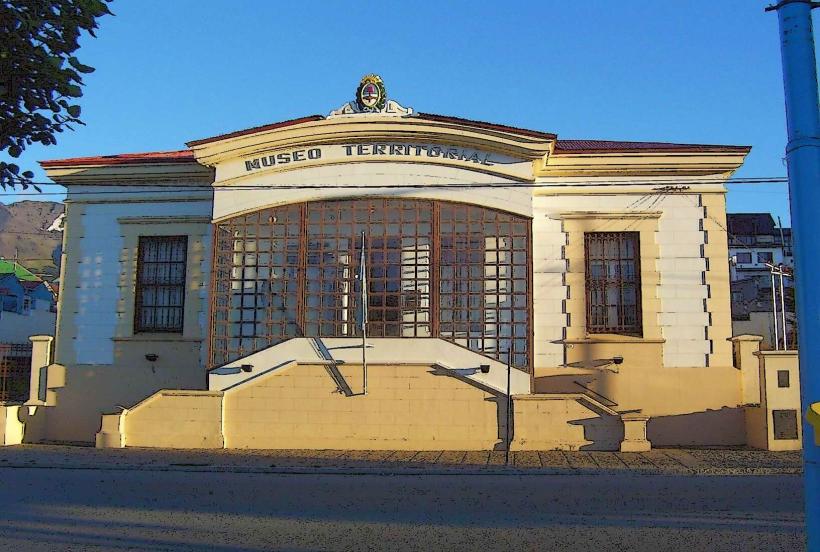
- A small museum located on the property features exhibits about the history of Tierra del Fuego, Thomas Bridges, and the indigenous Yámana people. It also provides insight into the challenges and achievements of the early settlers in this remote and harsh environment.
2. Wildlife Watching
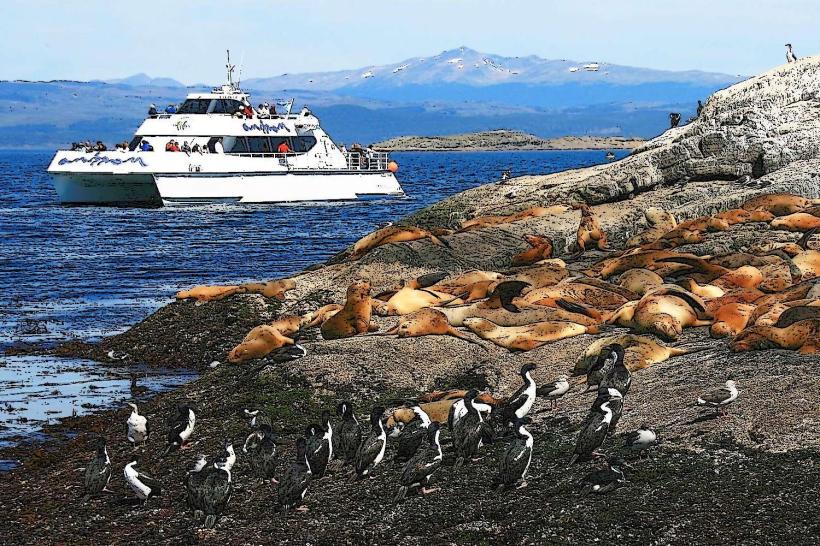
- Estancia Harberton is located in an area rich with wildlife, and visitors can enjoy seeing various species of birds, mammals, and marine life. The estancia offers boat tours of the surrounding waters, where visitors can see sea lions, cormorants, and other seabirds, as well as penguins on nearby islands like Isla Martillo.
- The area around the estancia is also home to a variety of land-based wildlife, including the Andean fox, guinea pigs, and a variety of bird species, making it a popular destination for birdwatchers and nature enthusiasts.
3. Boat Tours to Isla Martillo
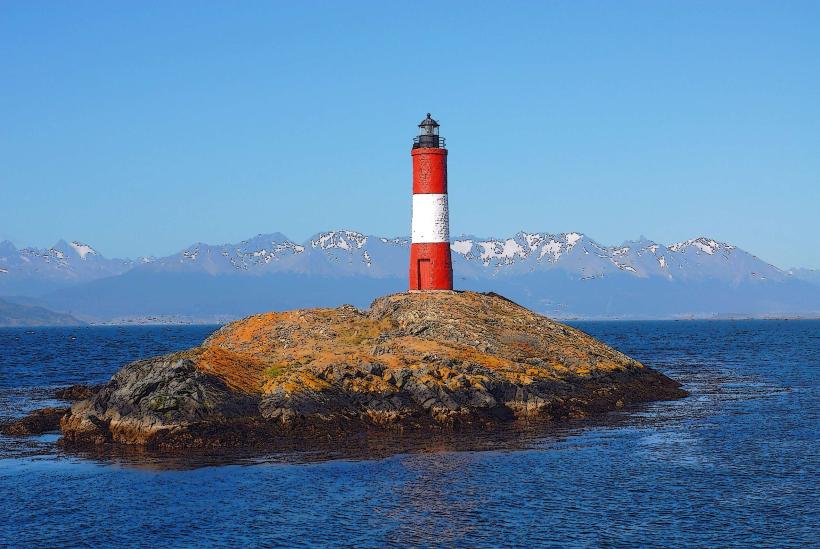
- One of the main attractions near Estancia Harberton is the opportunity to take a boat tour to Isla Martillo, which is home to Magellanic penguins and gentoo penguins. The boat ride takes visitors through the Beagle Channel, where they can enjoy scenic views of the surrounding mountains and waters, as well as close encounters with penguins and other wildlife.
- The boat tours from Estancia Harberton are guided by experienced naturalists who provide insights into the region's ecosystems, wildlife, and conservation efforts. Visitors often disembark on Isla Martillo to walk along the island’s trails and observe the penguin colonies up close.
4. Hiking and Nature Walks
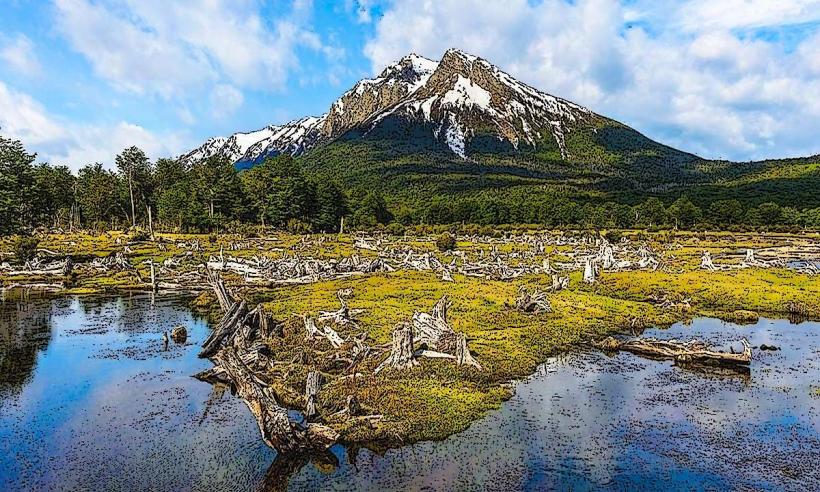
- The surrounding area of Estancia Harberton offers numerous hiking trails and nature walks. These trails lead through the Patagonian forests, where visitors can explore the unique flora and fauna of the region, including old-growth forests, moss-covered trees, and various species of birds and animals.
- Some of the hikes are short, easy walks, while others can be more challenging, taking visitors to higher points where they can enjoy panoramic views of the Beagle Channel and the surrounding mountains.
5. Harberton’s Environmental Focus
- Estancia Harberton is committed to the preservation and conservation of the natural environment, and the estancia plays a role in various local conservation efforts. It is home to the Museo Acatushún, a small museum dedicated to marine biology and conservation, particularly focused on the study of marine mammals and birds.
- Visitors can learn about local conservation projects, such as the protection of penguin colonies, the restoration of habitats, and the preservation of endangered species. The estancia also runs educational programs to raise awareness about the region’s biodiversity and ecosystems.
Access and Tours
Getting There
- Estancia Harberton is located about 90 kilometers (56 miles) from Ushuaia, the southernmost city in Argentina. The journey from Ushuaia to the estancia takes around 1.5 to 2 hours by car or bus, passing through scenic Patagonian landscapes.
- Once you arrive at the estancia, there are a variety of activities and tours available, including guided walks, boat tours to Isla Martillo, and visits to the museum.
Tourist Services
- Estancia Harberton provides several services to make visitors' experiences enjoyable, including guided tours, transportation, and refreshments at the estancia's small café.
- The estancia is open to tourists year-round, but the summer months (from October to March) are the most popular for visiting, as this is when the weather is milder and wildlife, such as penguins, is more active.
Best Time to Visit
- Summer (October to March) is the best time to visit Estancia Harberton, as this is when the penguin colonies on nearby islands are active and accessible. The weather is generally milder, and the daylight hours are longer, providing more time to explore the estancia and its surroundings.
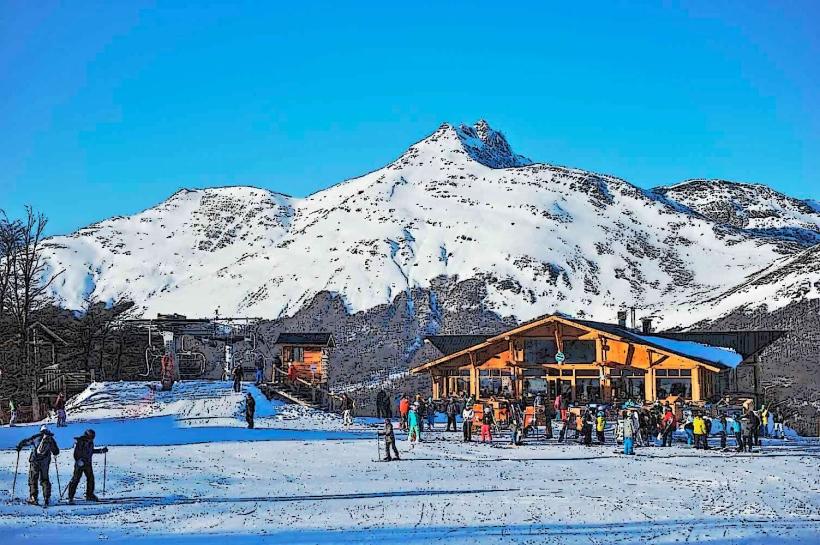
- Winter (April to September) can be cold and challenging for travel, but it offers a more peaceful and serene experience, with fewer tourists. The landscape is often covered in snow, adding to the beauty and tranquility of the area.
Conclusion
Estancia Harberton offers a unique and immersive experience in the southernmost reaches of Argentina. With its rich history, stunning natural beauty, diverse wildlife, and commitment to conservation, the estancia provides visitors with an unforgettable look at the region’s heritage and ecosystems. Whether you’re exploring its historic buildings, enjoying boat tours to nearby islands, hiking through the pristine wilderness, or learning about local conservation efforts, Estancia Harberton is a must-see destination for anyone visiting Tierra del Fuego.